
By Denise Brown
Rochester, New York, is a city known for its historical significance, vibrant arts community, and strong sense of local pride.
However, it has also struggled with higher-than-average crime rates for several years.
In recent times, questions have arisen about whether crime in Rochester is declining or if it remains a persistent challenge. To understand this, it's essential to explore current crime trends, contributing factors, and the impact of community and law enforcement initiatives.
Analyzing Crime Trends in Rochester
Violent Crime: Mixed Signals
The most high-profile issue in Rochester's crime statistics has been violent crime, particularly shootings and homicides. Over the past several years, the city has witnessed significant spikes in gun violence, especially in certain neighborhoods.
The years 2020 and 2021 saw dramatic increases in shooting incidents, with many attributed to gang-related disputes and social instability, amplified by the COVID-19 pandemic.
However, recent reports suggest that violent crime rates may be on a downward trend. According to the Rochester Police Department (RPD) and FBI Uniform Crime Reporting data, there has been a slight decrease in certain violent crime categories in 2023 compared to the previous year.
For instance, the number of homicides in Rochester declined from 2021’s record high of 80 to about 50 in 2022 and continued to show a slight reduction in 2023. While still high, these numbers reflect some positive movement in addressing the surge of violence that had gripped the city in prior years.
The decline, however, has been uneven, with some neighborhoods still experiencing high levels of violence. The city's southwest area, for example, continues to report elevated rates of gun violence, while other parts of Rochester have seen reductions.
Property Crime: A Steady Decline
In contrast to violent crime, property crime in Rochester has generally followed a declining trend over the past decade.
According to the New York State Division of Criminal Justice Services, property crimes such as burglary, larceny-theft, and motor vehicle theft have dropped significantly in recent years. In 2023, property crime incidents were at their lowest in several years, continuing the trend from 2022.
While this decline is encouraging, it’s important to remember that property crime rates still remain higher than in some comparable cities. Furthermore, these types of crimes can fluctuate based on broader economic trends, such as unemployment rates or housing instability, so they should be monitored closely.
Contributing Factors to Crime Decline
Several key factors have likely contributed to the decline in certain crime categories, though the situation remains complex.
1. Community-Based Initiatives
The city of Rochester has taken a more holistic approach to crime prevention in recent years.
Initiatives like the Rochester Gun Violence Prevention Initiative, launched in 2021, have focused on reducing gun violence through community collaboration. The program includes a mix of public health approaches, community outreach, and efforts to mediate conflicts before they escalate into violence.
Additionally, organizations like the Rochester Peace Collective have worked to provide intervention programs for young people, aiming to divert them from gang-related violence. These initiatives have been credited with helping to prevent further escalation of crime.
2. Policing and Law Enforcement Reforms
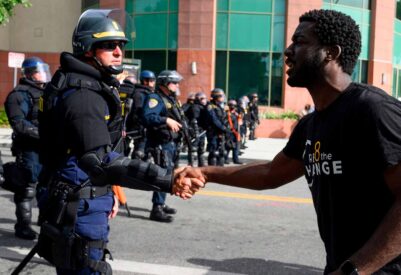
While the relationship between the Rochester Police Department (RPD) and local communities—especially communities of color—has been contentious at times, there have been efforts to reform law enforcement practices.
The Daniel Prude incident in 2020 sparked protests and calls for police accountability, but it also led to significant changes, such as increased focus on de-escalation tactics and enhanced community policing strategies.
The city has also focused on improving the transparency and accountability of the police force, though challenges remain in fully rebuilding trust between residents and law enforcement.
These changes, combined with increased cooperation between police and community leaders, may be contributing to the slow reduction in violent crime.
3. Economic and Social Initiatives
Efforts to combat poverty and economic inequality are also playing a role in the decline of crime.
In areas where economic opportunities are expanding, residents are more likely to stay out of the criminal justice system.
Rochester's focus on economic development, job creation, and improved housing has created some promising results in reducing crime in certain areas.
Programs like RochesterWorks, which provides job training and placement services, and the expansion of public housing initiatives have targeted some of the city’s most economically vulnerable neighborhoods.
By reducing unemployment and increasing access to educational and career resources, these programs help mitigate the social conditions that often lead to crime.
4. Gun Violence Prevention
A significant focus has been placed on tackling gun violence, with city officials acknowledging the need for stricter gun laws and better firearm control. While national debates about gun control continue, locally, efforts to reduce the number of guns in circulation and prevent illegal trafficking have yielded some positive results.
Efforts by the Rochester Police Department's Gun Violence Unit have reportedly led to the seizure of hundreds of firearms each year.
Areas Still of Concern
Despite these efforts, challenges remain. Certain neighborhoods in Rochester continue to suffer from high levels of violent crime, particularly involving firearms. Gang-related violence, often connected to turf wars and drug activity, remains a pressing issue in these areas.
As of 2023, neighborhoods such as Corn Hill and parts of the Southwest Corridor continue to report elevated crime rates.
Additionally, while property crimes have generally declined, incidents of auto theft and vandalism are still concerns for many residents. These crimes can create a sense of insecurity in certain communities, even when the overall crime rate is declining.
Public Perception: Mixed Views
Public perception of crime in Rochester often contrasts with the statistics. Residents in high-crime areas may feel that progress has been slow or uneven, and they may not fully trust that the city’s efforts are making a difference.
The visibility of violent crime, even if declining overall, can contribute to a pervasive sense of insecurity.
Meanwhile, some areas of the city—particularly those with active community organizations—report feeling safer due to the combined efforts of law enforcement and grassroots groups.
The work of social organizations in addressing the root causes of crime, such as poverty and mental health, has fostered a sense of optimism in some quarters.
Conclusion: Is Crime Declining in Rochester?
The question of whether crime is declining in Rochester doesn’t have a simple yes or no answer. While crime trends show some signs of improvement, particularly in property crimes and certain violent crime categories, there are still significant challenges to overcome.
Violent crime, especially shootings, remains a persistent problem, and certain neighborhoods continue to experience high levels of crime.
However, the decline in crime, especially in areas like property crime, gun violence, and homicides, signals that efforts to address the issue are beginning to take effect. The continued investment in community-based initiatives, police reform, and economic development is essential to furthering this progress.